The core panel focuses on biomarkers associated with some of today’s most prevalent serious diseases.*
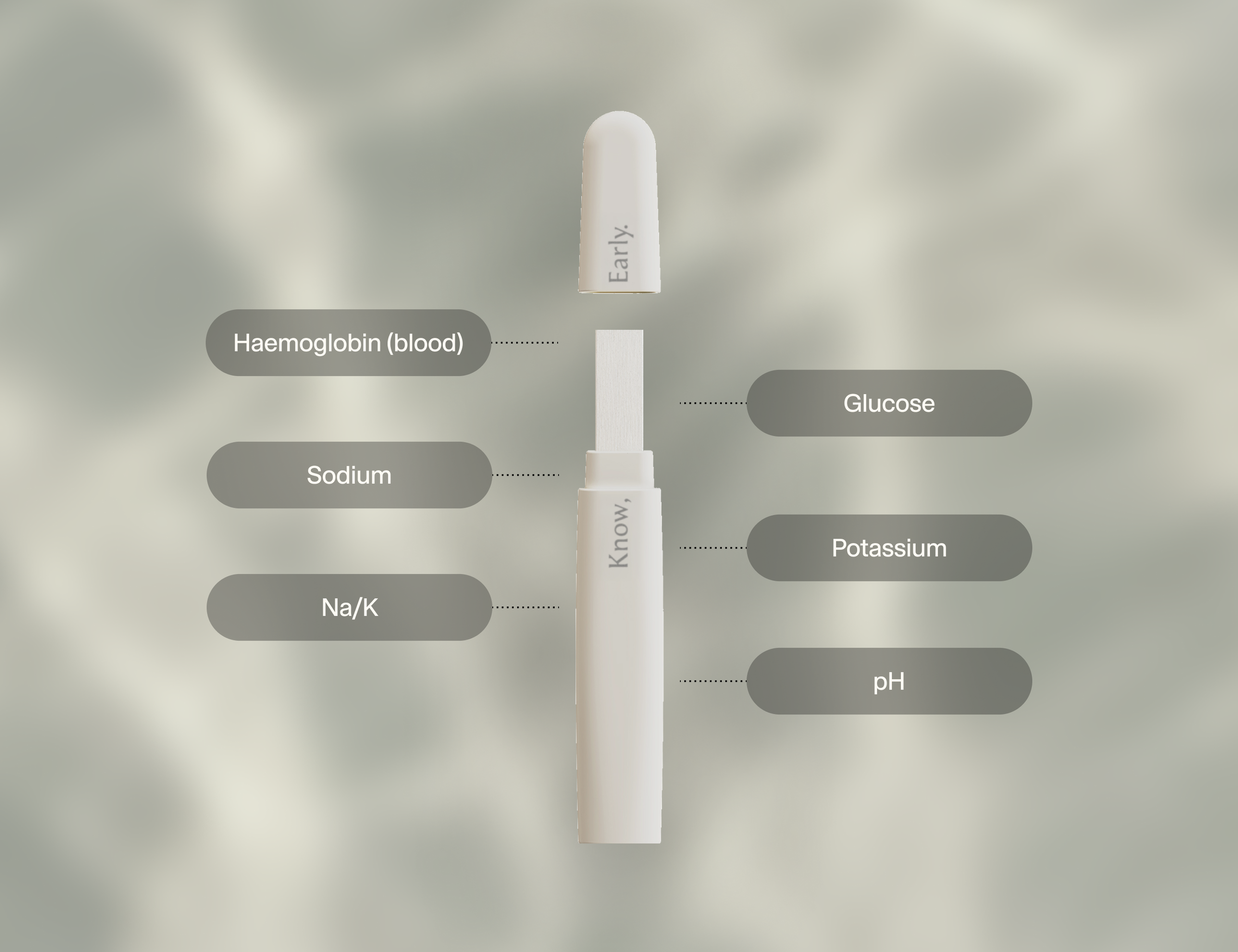
*Biology doesn’t stand still, and neither will we. As the platform develops, we’ll continue expanding what Early can measure and the insights it can provide. Early is designed to provide screening and health-awareness information, not diagnose disease. If you experience symptoms or persistent abnormal findings, seek advice from a healthcare professional.
Haemoglobin (blood)
Haemoglobin (derived from blood) in your urine is often invisible to the naked eye. A one-off result may have a harmless cause like exercise or menstruation, but blood that keeps appearing, or shows up with no obvious external trigger, can be an early signal of conditions affecting the kidneys or urinary tract.
Linked conditions
Cancers of the bladder and urinary tract
Kidney disease and other kidney conditions
Kidney and bladder stones
Urinary tract infections
Broader urinary tract pathologies
Sodium
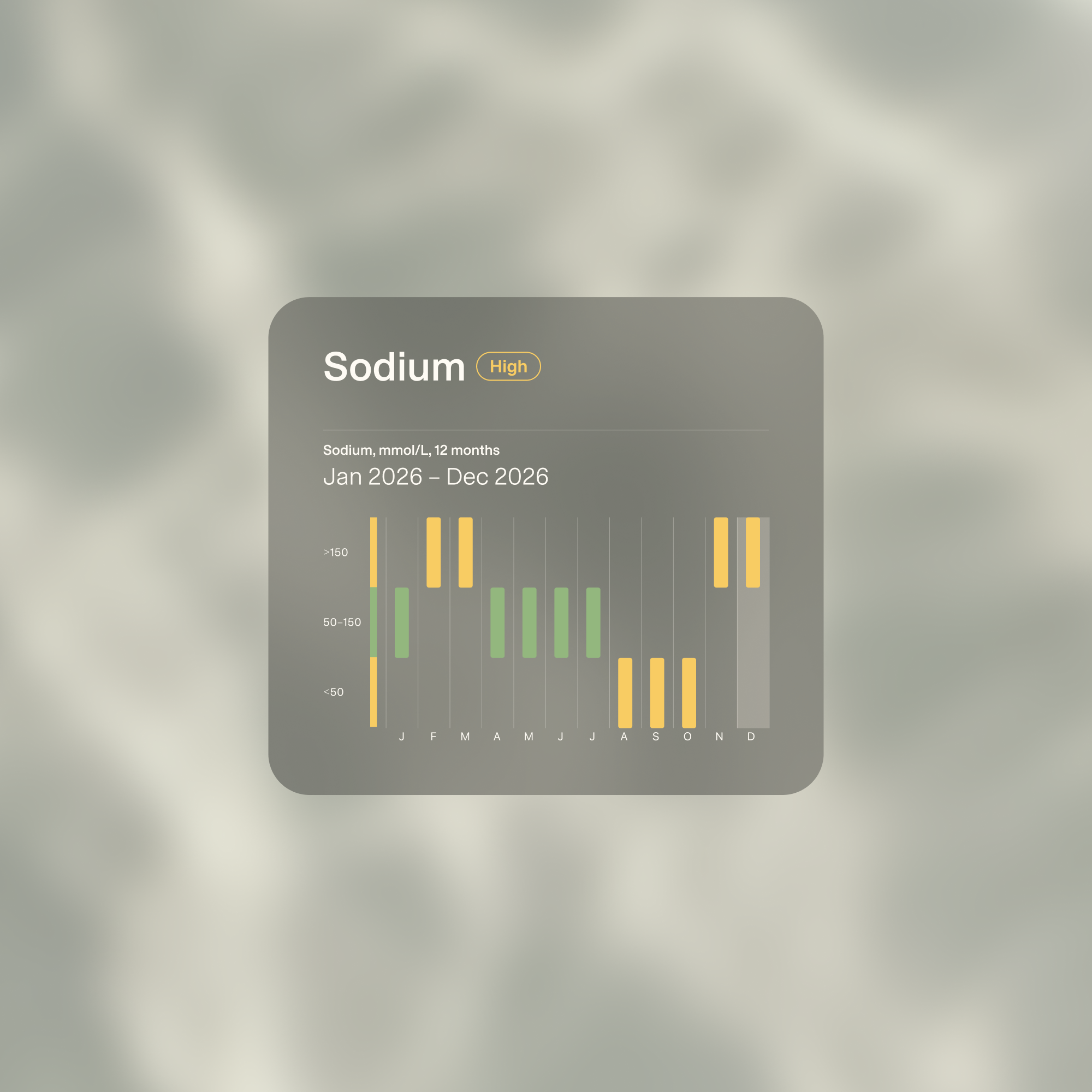
Reflective of how much salt is passing through your body, mostly through your diet. Salt is an incredibly important mineral, and a certain level can signal you're well hydrated, but consistently higher levels in conjunction with low potassium are linked to raised blood pressure and long-term heart risk, making it an important, and easily actionable, marker to stay on top of.
Linked conditions
Dietary quality
Hydration
Added strain on the kidneys
Na/K
The ratio between sodium and potassium offers deeper insight than either level alone. A ratio weighted more towards sodium is linked to higher heart disease risk over time, and it's one of the most directly changeable markers through diet.
Linked conditions
Elevated blood pressure
Heart disease risk
Stroke risk
Glucose
Glucose is the sugar your body runs on, and healthy urine usually contains very little of it. When it shows up, especially across repeat tests, it can be an early sign that your body isn't handling blood sugar as well as it should.
Linked conditions
Diabetes
Potassium
This essential mineral works in balance with sodium and is central to healthy blood pressure, heart rhythm and fluid balance. Your levels are largely reflective of how rich your diet is in foods such as fruit and vegetables, and tracking it gives you a clear view of your diet and how well it's supporting your heart and cardiovascular health.
Linked conditions
Dietary quality
pH
pH measures how acidic or alkaline your urine is, and it shifts naturally with what you eat and drink. An incredibly useful marker of overall wellness, it can guide dietary changes and can also be used alongside other markers in the panel to contextualise and deepen the insight around your readings.
Linked conditions
Dietary quality
Haemoglobin (blood)
This looks for meaningful traces of blood in your urine, which are often invisible to the eye. A one-off result may have a harmless cause like exercise or menstruation, but blood that keeps appearing, or shows up with no obvious external trigger, can be an early signal of conditions affecting the kidneys or urinary tract.
Key linked conditions
Cancers of the bladder
Urinary tract and prostate
Kidney disease and other kidney conditions
Kidney and bladder stones
Urinary tract infections
Broader urinary tract pathologies
Sodium
Reflective of how much salt is passing through your body, mostly through your diet. Salt is an incredibly important mineral, and a certain level signals you're well hydrated, but consistently higher levels are linked to raised blood pressure and long-term heart risk, making it an important, and easily actionable, marker to stay on top of.
Key linked conditions
High blood pressure
Cardiovascular disease
Heart disease and stroke risk
Added strain on the kidneys
Na/K
The ratio between sodium and potassium offers deeper insight than either level alone. A ratio weighted more towards sodium is linked to higher heart disease risk over time, and it's one of the most directly changeable markers through diet.
Key linked conditions
Cardiovascular disease
High blood pressure
Heart disease and stroke risk
Glucose
Glucose is the sugar your body runs on, and healthy urine usually contains very little of it. When it shows up, especially across repeat tests, it can be an early sign that your body isn’t handling blood sugar as well as it should.
Key linked conditions
Pre-diabetes and diabetes (including gestational diabetes in pregnancy)
Kidney disease and impaired kidney function
Related cardiovascular and metabolic health conditions
Potassium
This essential mineral works in balance with sodium and is central to healthy blood pressure, heart rhythm and fluid balance. Your levels are largely reflective of how rich your diet is in foods such as fruit and vegetables, and tracking it gives you a clear view of your diet and how well it's supporting your heart and cardiovascular health.
Key linked conditions
High blood pressure
Cardiovascular disease and stroke risk
Heart rhythm and heart function
Kidney health, since your kidneys regulate potassium and your levels partly reflect how well they're working
pH
pH measures how acidic or alkaline your urine is, and it shifts naturally with what you eat, what you drink and how hydrated you are. An incredibly useful marker of overall wellness, it can guide dietary changes and can also be used alongside other markers in the panel to contextualise and deepen the insight around your readings.
Key linked conditions
Hydration and dietary quality
Broader metabolic and chronic conditions
When persistently high or low, kidney stones and urinary tract infections
Haemoglobin (blood)
This looks for meaningful traces of blood in your urine, which are often invisible to the eye. A one-off result may have a harmless cause like exercise or menstruation, but blood that keeps appearing, or shows up with no obvious external trigger, can be an early signal of conditions affecting the kidneys or urinary tract.
Key linked conditions
Cancers of the bladder
Urinary tract and prostate
Kidney disease and other kidney conditions
Kidney and bladder stones
Urinary tract infections
Broader urinary tract pathologies
Sodium
Reflective of how much salt is passing through your body, mostly through your diet. Salt is an incredibly important mineral, and a certain level signals you're well hydrated, but consistently higher levels are linked to raised blood pressure and long-term heart risk, making it an important, and easily actionable, marker to stay on top of.
Key linked conditions
High blood pressure
Cardiovascular disease
Heart disease and stroke risk
Added strain on the kidneys
Na/K
The ratio between sodium and potassium offers deeper insight than either level alone. A ratio weighted more towards sodium is linked to higher heart disease risk over time, and it's one of the most directly changeable markers through diet.
Key linked conditions
Cardiovascular disease
High blood pressure
Heart disease and stroke risk
Glucose
Glucose is the sugar your body runs on, and healthy urine usually contains very little of it. When it shows up, especially across repeat tests, it can be an early sign that your body isn’t handling blood sugar as well as it should.
Key linked conditions
Pre-diabetes and diabetes (including gestational diabetes in pregnancy)
Kidney disease and impaired kidney function
Related cardiovascular and metabolic health conditions
Potassium
This essential mineral works in balance with sodium and is central to healthy blood pressure, heart rhythm and fluid balance. Your levels are largely reflective of how rich your diet is in foods such as fruit and vegetables, and tracking it gives you a clear view of your diet and how well it's supporting your heart and cardiovascular health.
Key linked conditions
High blood pressure
Cardiovascular disease and stroke risk
Heart rhythm and heart function
Kidney health, since your kidneys regulate potassium and your levels partly reflect how well they're working
pH
pH measures how acidic or alkaline your urine is, and it shifts naturally with what you eat, what you drink and how hydrated you are. An incredibly useful marker of overall wellness, it can guide dietary changes and can also be used alongside other markers in the panel to contextualise and deepen the insight around your readings.
Key linked conditions
Hydration and dietary quality
Broader metabolic and chronic conditions
When persistently high or low, kidney stones and urinary tract infections
-
Haemoglobin (derived from blood) in your urine is often invisible to the naked eye. A one-off result may have a harmless cause like exercise or menstruation, but blood that keeps appearing, or shows up with no obvious external trigger, can be an early signal of conditions affecting the kidneys or urinary tract.
Linked conditions
Cancers of the bladder and urinary tract.
Kidney disease and other kidney conditions
Kidney and bladder stones
Urinary tract infections
Broader urinary tract pathologies
-
Glucose is the sugar your body runs on, and healthy urine usually contains very little of it. When it shows up, especially across repeat tests, it can be an early sign that your body isn't handling blood sugar as well as it should.
Linked conditions
Diabetes
-
Reflective of how much salt is passing through your body, mostly through your diet. Salt is an incredibly important mineral, and a certain level can signal you're well hydrated, but consistently higher levels in conjunction with low potassium are linked to raised blood pressure and long-term heart risk, making it an important, and easily actionable, marker to stay on top of.
Linked conditions
Dietary quality
Hydration
Added strain on the kidneys
-
This essential mineral works in balance with sodium and is central to healthy blood pressure, heart rhythm and fluid balance. Your levels are largely reflective of how rich your diet is in foods such as fruit and vegetables, and tracking it gives you a clear view of your diet and how well it's supporting your heart and cardiovascular health.
Linked conditions
Dietary quality
-
The ratio between sodium and potassium offers deeper insight than either level alone. A ratio weighted more towards sodium is linked to higher heart disease risk over time, and it's one of the most directly changeable markers through diet.
Linked conditions
Elevated blood pressure
Heart disease risk
Stroke risk
-
pH measures how acidic or alkaline your urine is, and it shifts naturally with what you eat and drink. An incredibly useful marker of overall wellness, it can guide dietary changes and can also be used alongside other markers in the panel to contextualise and deepen the insight around your readings.
Key linked conditions
Dietary quality
Powerful data in your pocket
-
![]()
Private by Design
Your health data belongs to you. It’s securely stored in the Early Cloud, protected with the same care we apply to every part of the platform, and only shared when you choose.
-
![]()
Notifications: Only When It Matters
Early keeps watch in the background, so you don’t have to. Whether it’s time for a routine test or a result that may need attention, you’ll hear from us when there’s a reason, not because an app wants engagement.
-
![]()
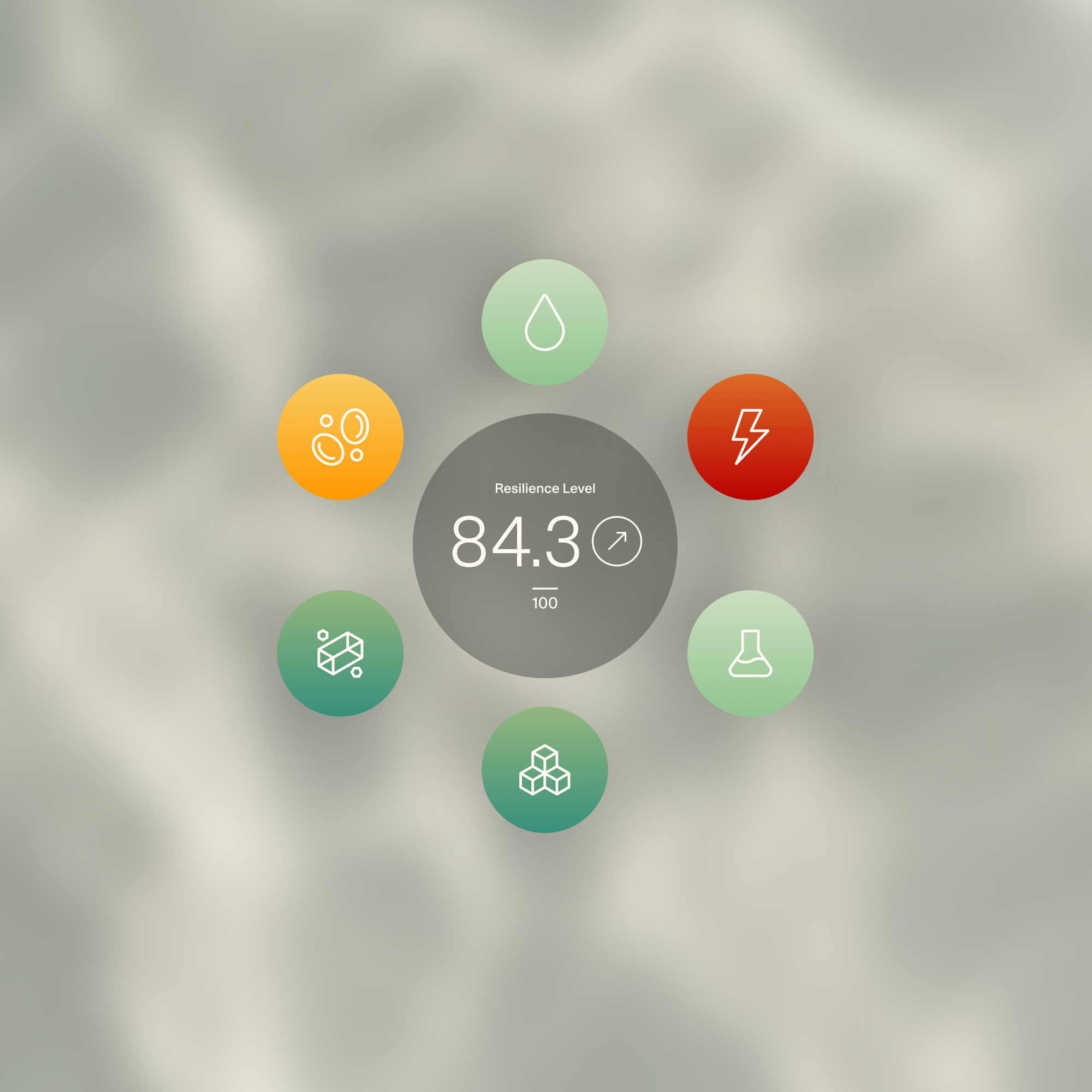
Resilience: Your Health, Distilled
Health is complex. Early’s Resilience Score brings multiple biomarkers together into a single personalised score, helping you understand how your body is performing over time and where small changes could make a meaningful difference.
-
![]()
Shareable in Seconds
When you want a second opinion, your results are ready to go. Generate a clear summary and share it directly with a healthcare professional, helping turn information into informed action.